
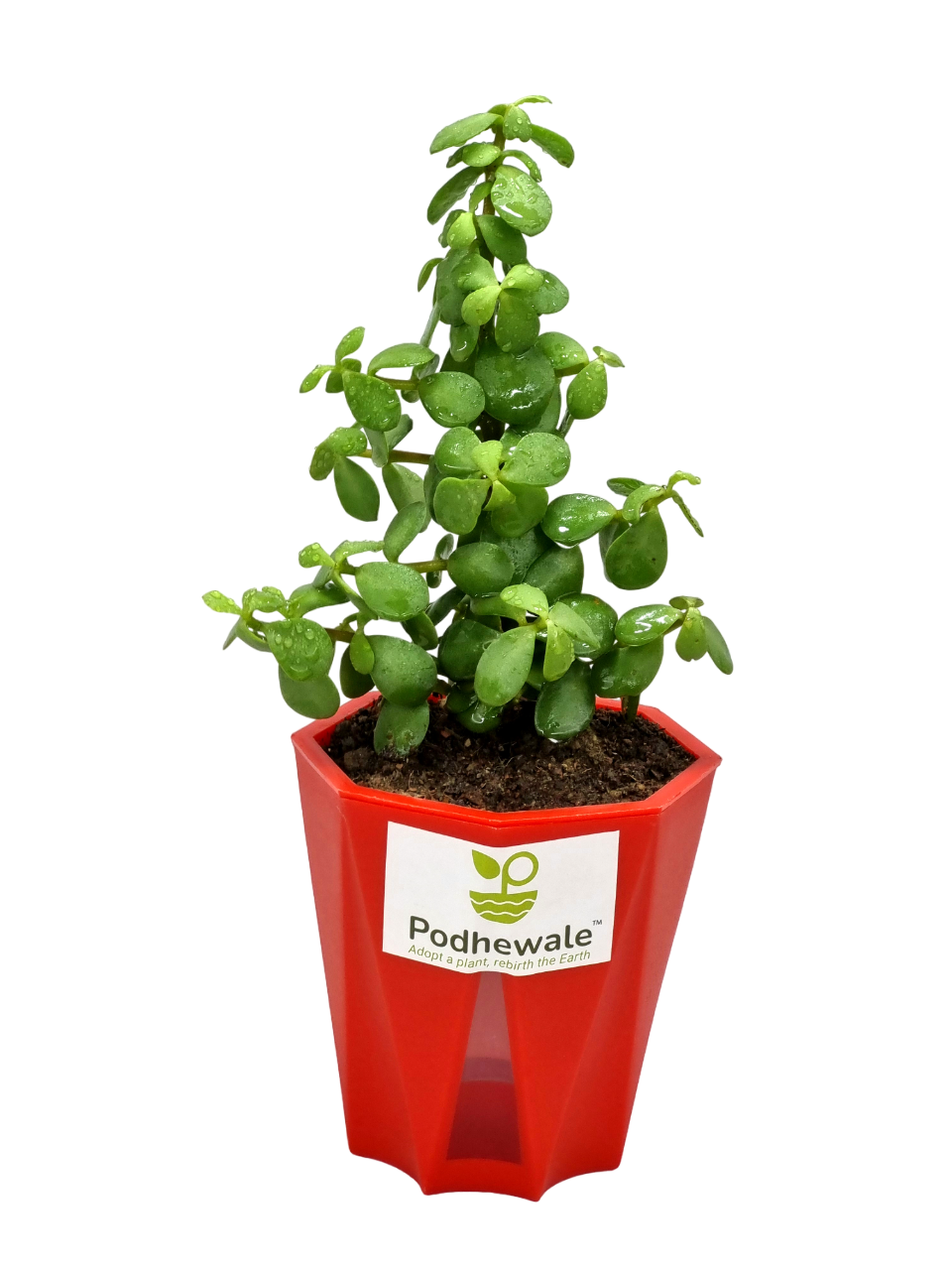
Light Dwarf jade requires at least five to six hours of bright indirect light each day and can tolerate partial shade, but take pains to keep it out of direct sunlight, which can burn the leaves. Ideally, an indoor houseplant should live in a south, east, or west-facing window that has a shade you can draw to block direct sunlight. As the plant grows toward the sunlight, rotating the pot will ensure that it grows evenly in all directions. Outdoors, choose a location where the plant gets the required five to six hours of indirect sunlight but is protected from direct sunlight. For example, place it by an awning or in front of a lattice screen during the hot afternoon hours. Moving a dwarf jade outdoors from an indoor location requires gradual acclimatization to sunlight. Increase the time the plant is exposed to sunlight little by little to prevent sunburn. Keep in mind that even after it has been acclimated, it needs protection from direct sunlight. Soil Excellent soil drainage is crucial for dwarf jade. Recommended soil mixes: commercial potting soil blended with fine gravel, pumice, or vermiculite in a 2:1 ratio; or cactus potting soil with perlite in a 2:1 ratio. Do not blend sand into the mix, as this is not an ideal growing medium.1 Water Indoors, dwarf jade has very low watering needs. When watering, let the soil dry slightly out before watering again. There is an easy way to check if it needs water: Put your finger into the top inch of soil. If it feels dry, it’s time to water moderately, which means thoroughly saturating the soil until water begins to come out of the pot's bottom drainage holes. Dwarf jade does not like wet feet so make sure you don’t water so much that water accumulates in the saucer, and eliminate any excess water that pools. If you bring dwarf jade outdoors during the summer, it will require more frequent watering, as the soil dries out more quickly outdoors. Again, monitor the soil moisture to determine when it’s time to give the plant moderate watering. Temperature and Humidity The ideal room temperature for dwarf jade is between 61 and 71 degrees Fahrenheit, but it will do fine if moved outdoors during much hotter conditions in the summer. But this plant not frost-hardy and will be badly damaged or killed if merely nipped by a true frost. If left outdoors for the summer, make sure to watch the weather forecast and bring it inside before the first fall frost. Fertilizer Dwarf jade has moderate fertilization needs. During the growing season, from spring to autumn, apply a standard houseplant fertilizer or a special succulent plant food about once a month. Stop fertilizing during the winter and restart the monthly fertilizing in late winter with a 50 percent diluted fertilizer.


We want to give you 10% discount for your first order,
Use discount code at checkout
